Psychological Resilience in the Face of Academic Pressure: How to Build a Resistant Mindset?
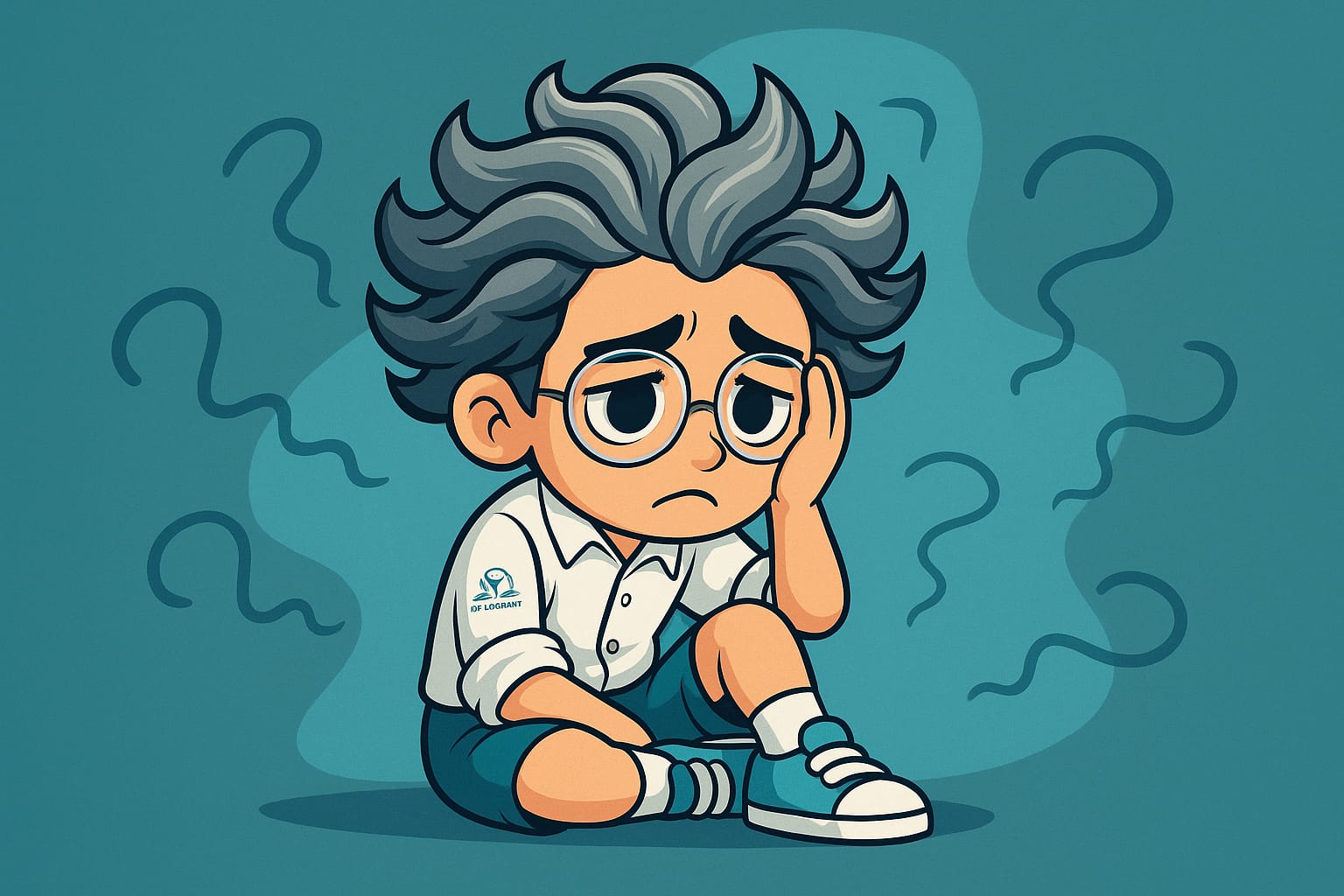
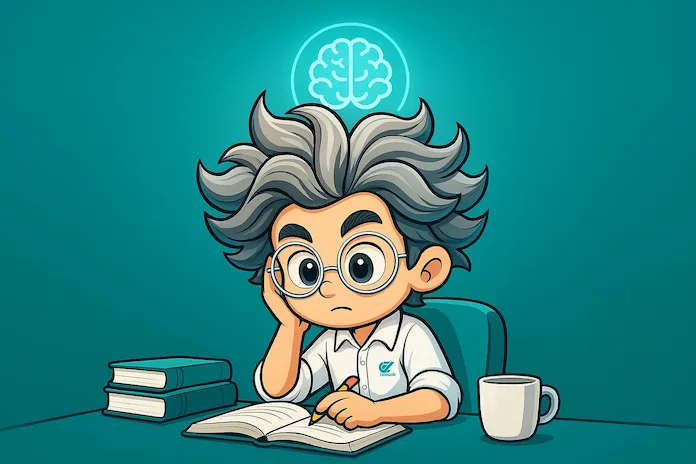
In a world of tests, expectations, and competition, many students face psychological pressure and exhaustion. Amid this stress emerges the concept of “psychological resilience” as a smart solution that helps you stand up again after every setback.
In this article, we define psychological resilience, explain why it’s the key to excellence, and show you practical ways to develop it.
What is psychological resilience?
Psychological resilience is the ability to adapt to challenges, overcome failure, and turn pressure into opportunities for growth. It’s the mindset that says, “I may have fallen, but I can rise again.”
Why do high school students need resilience?
• To overcome fear of failure and temporary setbacks.
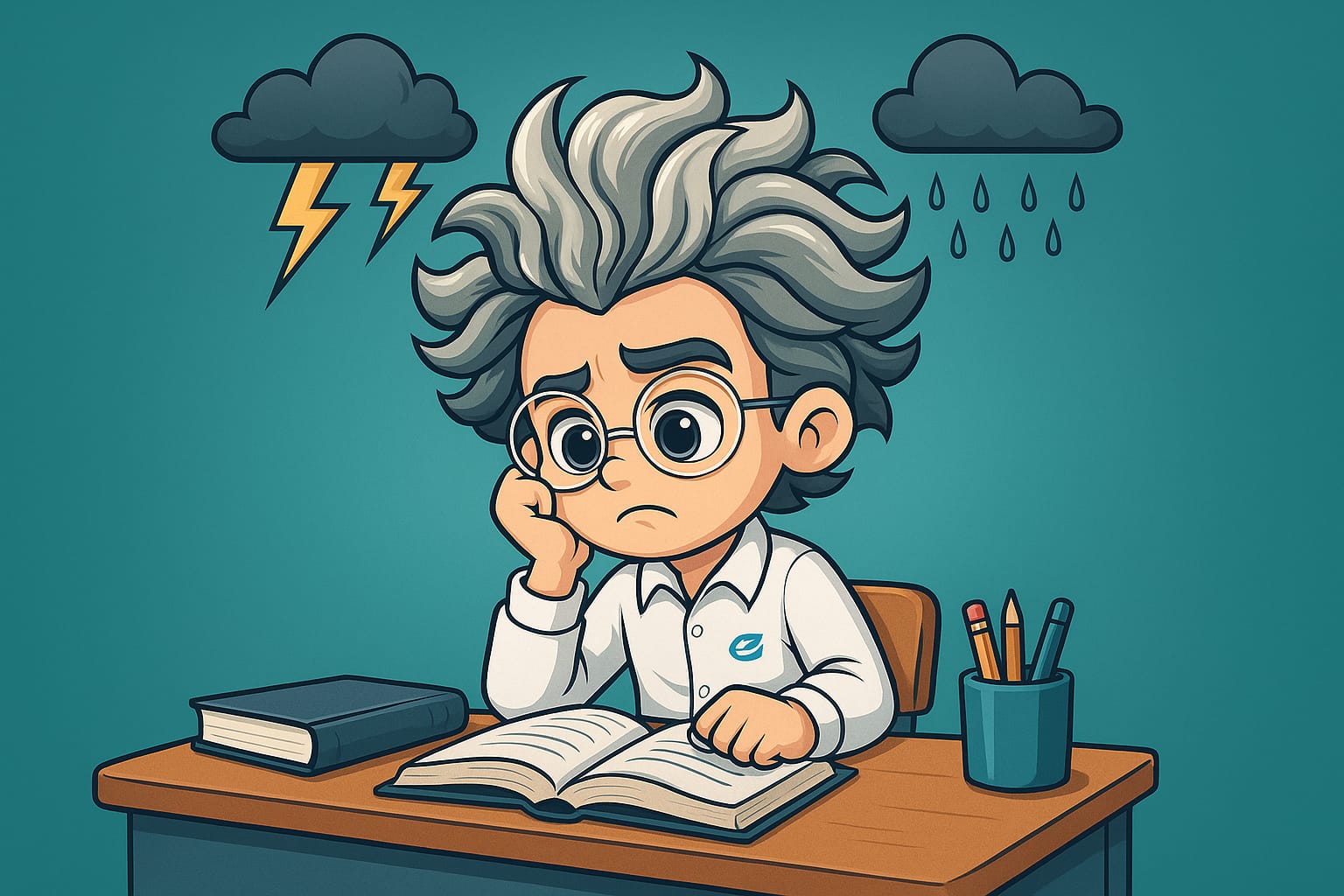
• To face anxiety from academic pressure and exams.
• To develop an independent, confident personality.
• Because university life later demands flexible thinking and smart responses to challenges.
Signs of low resilience in students:
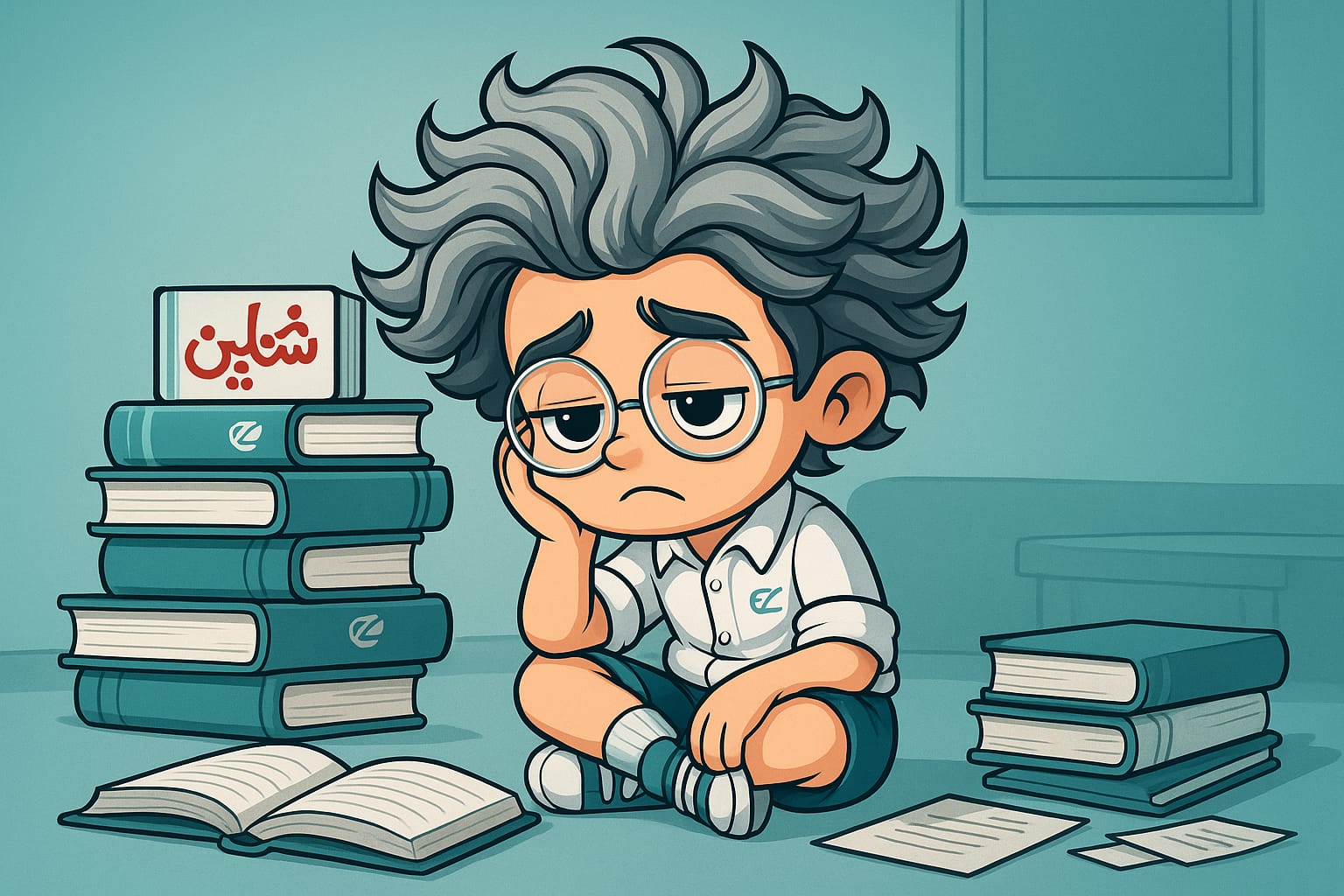
• Crumbling quickly after failure or criticism.
• Persistent negative thinking under stress.
• Withdrawing from challenges or difficult tasks.
• Blowing minor issues out of proportion, seeing them as “the end of the world.”
Practical steps to build resilience:
1. Change your self-talk:
Replace “I failed” with “I learned from my mistake.”
2. Practice acceptance:
Not everything will be perfect… and that’s okay.
3. Seek solutions, not excuses:
Ask, “What can I do now?”
4. Maintain supportive relationships:
Having positive people around you helps you get back up.
5. Take care of yourself:
Rest, sleep, and proper nutrition all impact your mental strength.
How Fahmy Stein enhances resilience:
• Tailored self-development content for handling failure and stress.
• Mental exercises to foster flexible and positive thinking.
• Articles and activities that help you adapt healthily to academic demands.
• A supportive environment that acknowledges challenges and helps you overcome them.
Conclusion:
Resilience doesn’t mean you won’t feel the impact; it means you won’t break.
It’s the skill that turns every pressure into an opportunity and every failure into a launchpad.
Start building this skill today, and with Fahmy Stein, your journey to balance and excellence will be easier than you imagine.
Similar Articles