Why Do We Feel Burned Out Despite Studying Little? Signs of Academic Burnout and How to Treat It
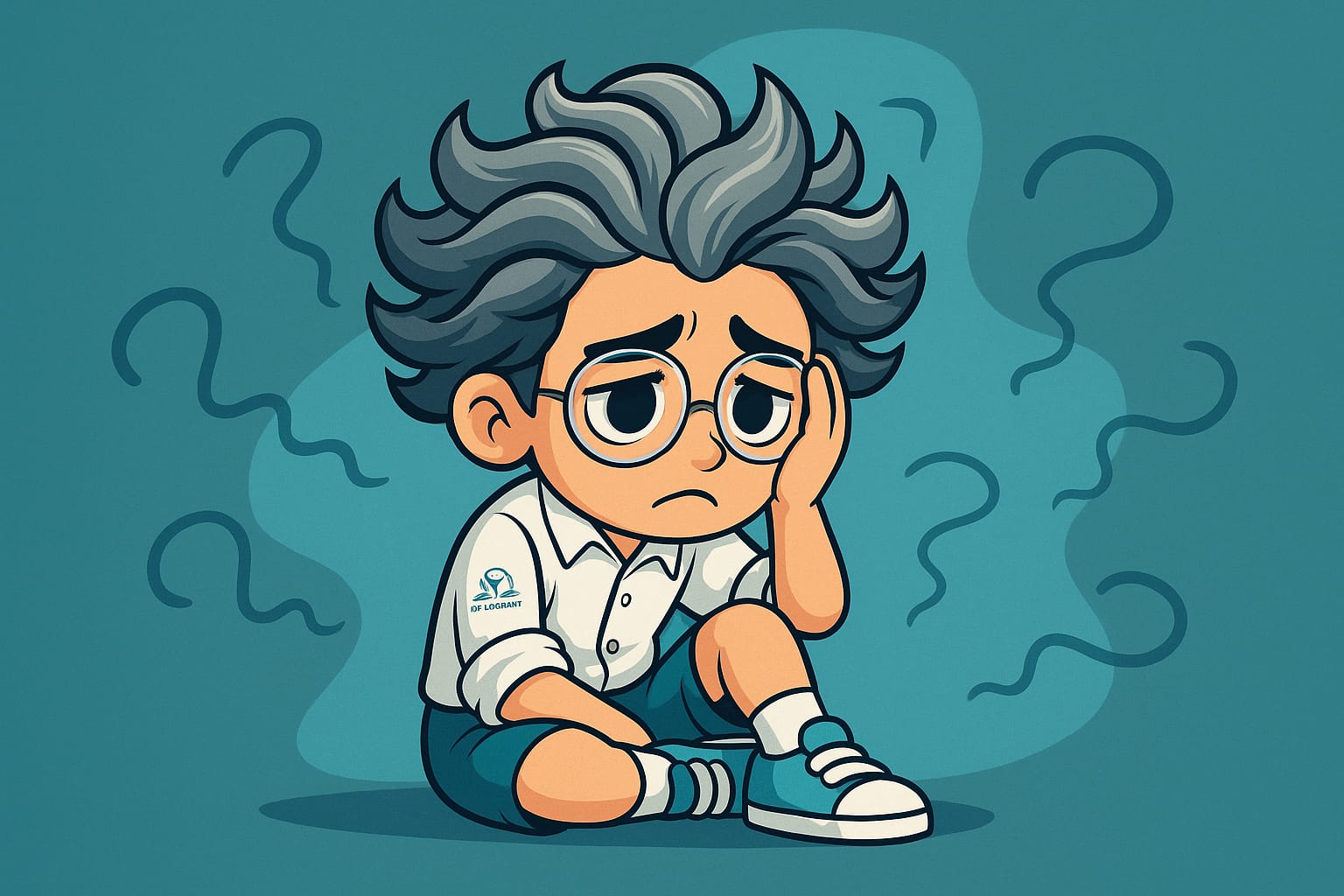
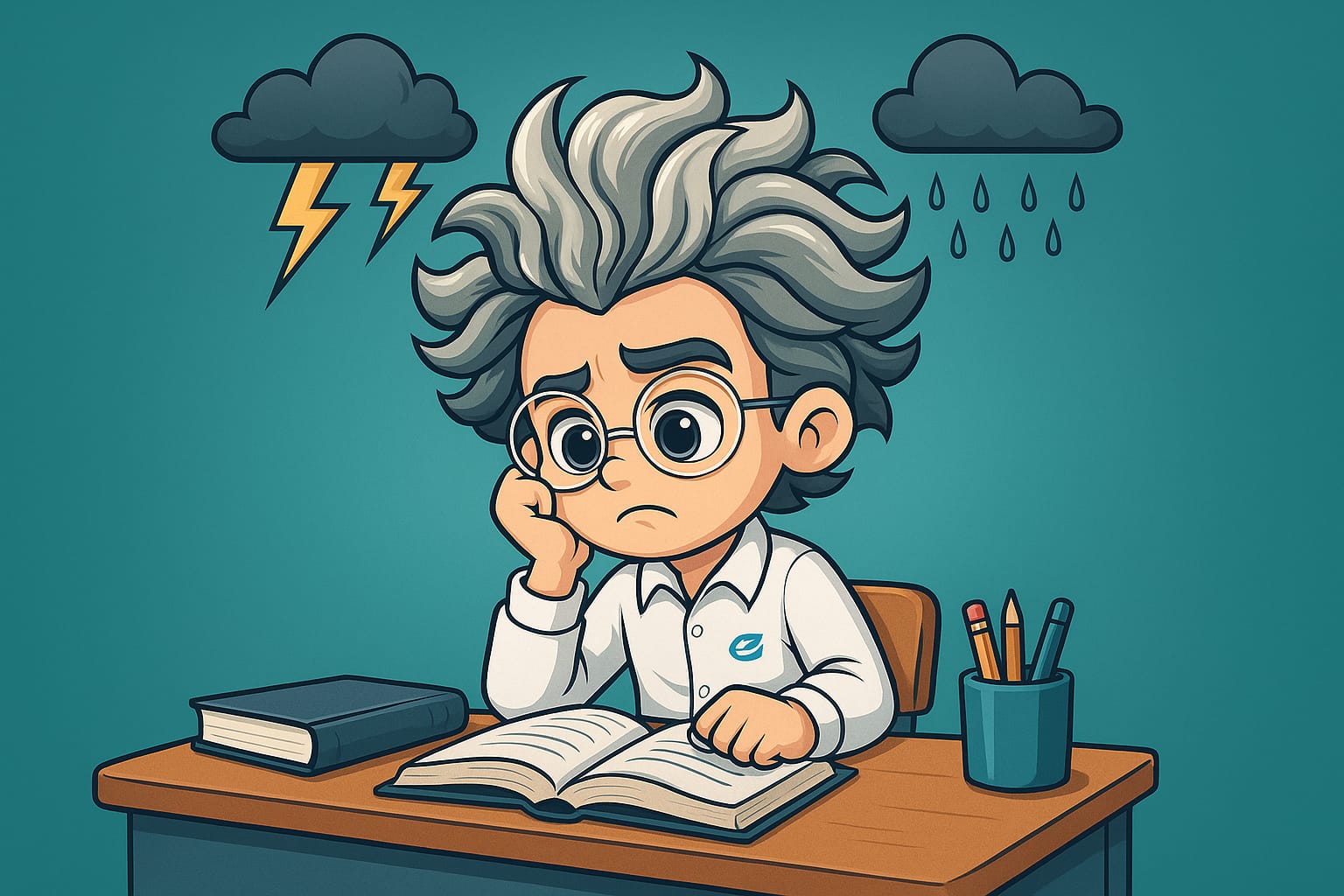
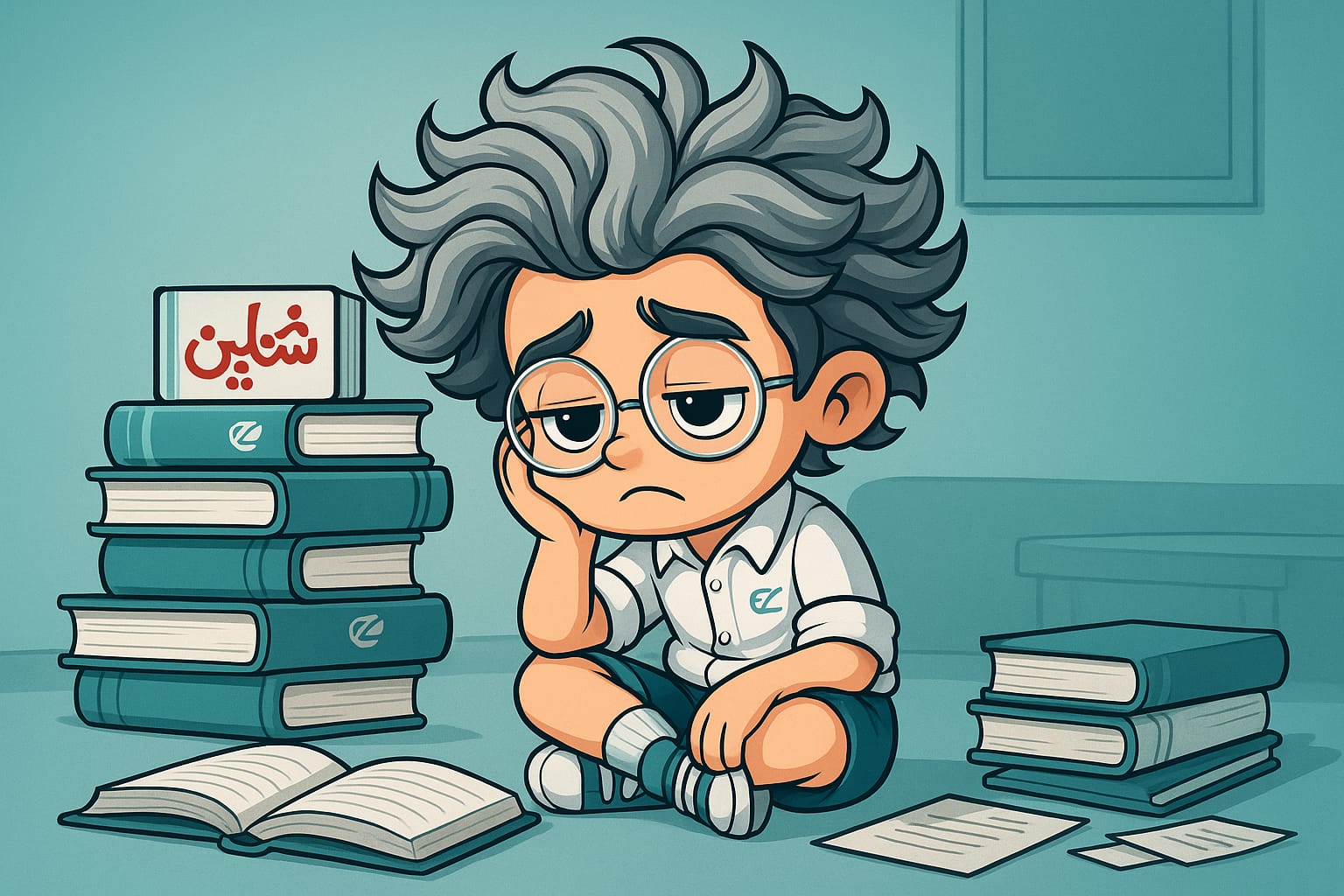
As a high school student, you may sometimes feel exhausted and drained, even simple study tasks can seem heavy and tiring. This state isn’t always due to laziness or lack of effort, but may stem from academic burnout—a real phenomenon that impacts both mental and physical performance.
What Is Academic Burnout?
Academic burnout is a state of physical, mental, and emotional exhaustion caused by prolonged study-related stress. It occurs when a student exerts high levels of effort over an extended period without sufficient breaks or proper time and energy management.
Signs of Burnout in High School Students:
• Persistent fatigue even after short breaks.
• Loss of motivation or passion for studying.
• Sudden drop in academic performance.
• Feelings of frustration or pessimism about academic future.
• Frequent mistakes, forgetfulness, and poor concentration.
Causes of Academic Burnout:
• Studying for long hours without regular breaks.
• High pressure to achieve perfect grades.
• Constant comparison to others.
• Neglecting rest, hobbies, and recreational activities.
• Lack of organization and planning for daily tasks.
How to Overcome Burnout and Reclaim Your Energy:
1. Schedule Daily Breaks and Fun Activities:
Dedicate part of your day to hobbies or activities you enjoy to recharge.
2. Use the Pomodoro Technique to Organize Study Time:
Study for 25 minutes, then take a 5-minute break, and repeat.
3. Learn to Say “Enough” and Listen to Your Body:
Don’t ignore signs of fatigue—they signal your need for rest.
4. Review Your Goals and Set Flexible, Achievable Targets:
Avoid setting unrealistic goals; replace them with practical ones.
5. Seek Support from Teachers, Family, or Friends When Needed:
Don’t hesitate to ask for help when you feel pressured or need guidance.
How Fahmy Stein Helps Prevent Burnout:
Fahmy Stein provides a healthy study environment with:
• Flexible study plans to organize your time while preserving energy.
• Smart break reminders.
• Self-development activities for stress and pressure management.
• A supportive student community sharing similar goals.
Conclusion: Success Doesn’t Require Self-Exhaustion
Remember, excellence doesn’t come from relentless work without pause, but from smart time and mental health management.
Start today with Fahmy Stein, and craft a balanced, enjoyable academic journey toward the top.
Similar Articles