How to Handle Negative Self-Talk? Training on Positive Self-Dialogue
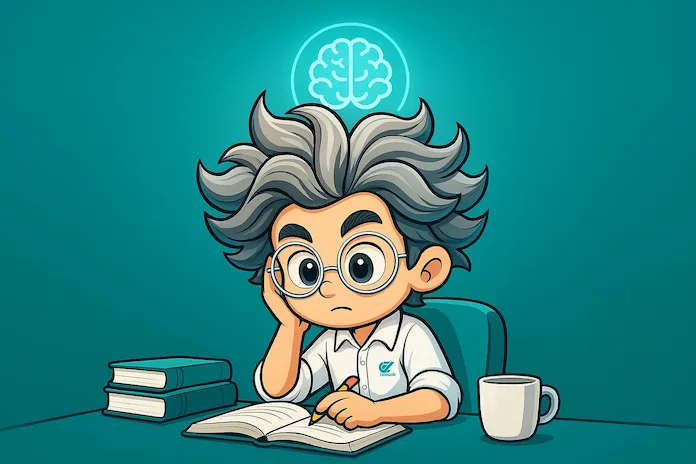
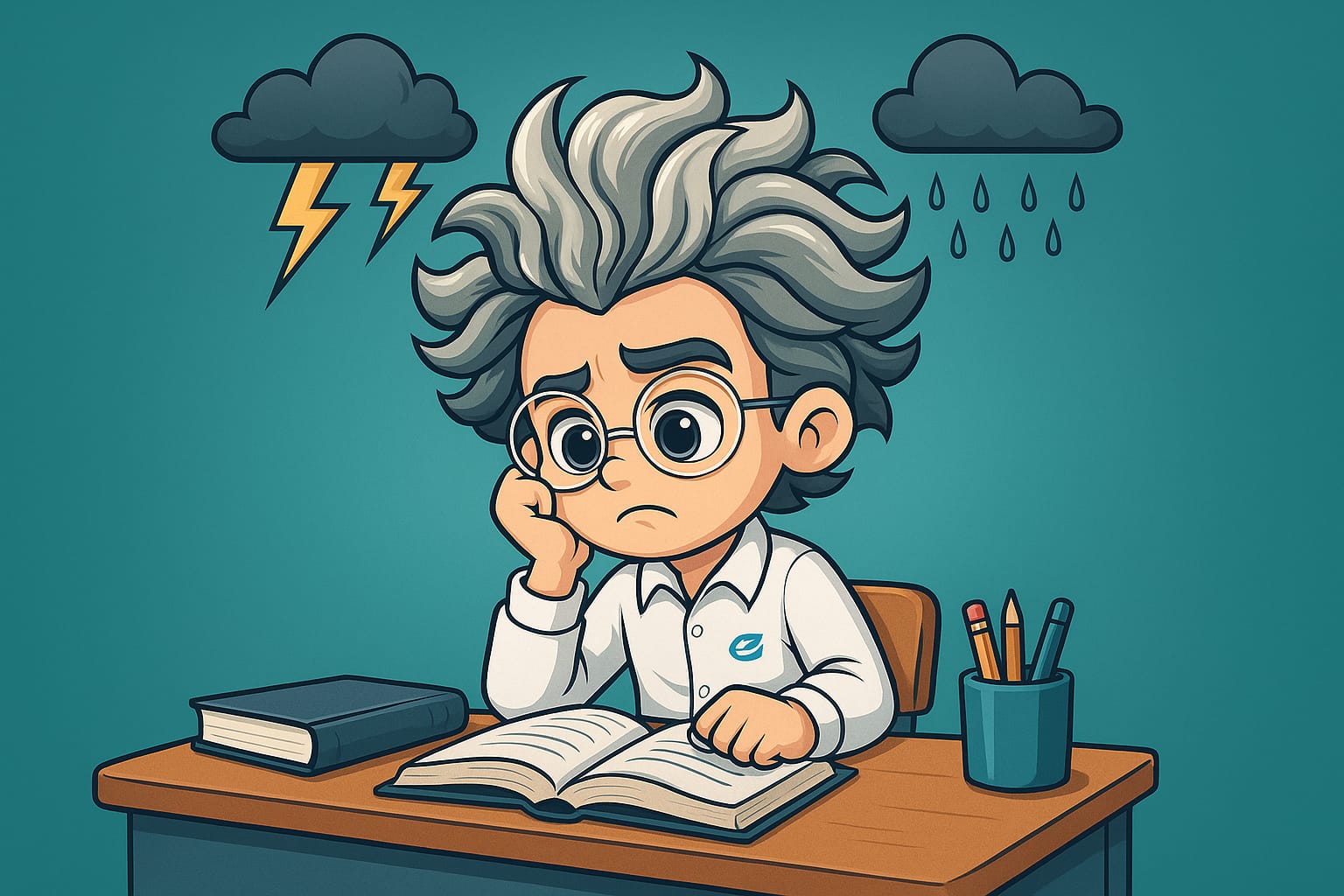
Many high school students experience moments of self-doubt or negative self-talk like, “I’m a failure, I’ll never succeed, why even try?” This discouraging inner voice can severely undermine academic performance and self-confidence.
The great news is that self-talk is a skill that can be learned and improved, directly enhancing both your academic results and your future personal growth.
Why is self-talk important for high school students?
- It directly affects mood and study motivation.
- Students with positive self-talk are better equipped to handle stress and challenges.
- Building a positive inner dialogue is closely linked to increased confidence and goal achievement.
Types of inner voices: learn to manage them
- The discouraging voice: focuses on failure, fear, and self-criticism.
- The encouraging voice: reminds you of your abilities and motivates you to keep going.
- The realistic voice: objectively evaluates performance and encourages improvement instead of discouragement.
Your task is to train yourself to transform that discouraging voice into an encouraging and realistic one.
5 exercises to shift negative self-talk:
1. Become aware of your thoughts:
Notice negative thoughts the moment they arise instead of ignoring them.
2. Replace negative statements with motivating ones:
For example, instead of “I’m a failure,” say, “I need to try a different approach.”
3. Talk to yourself like you would a close friend:
Would you call a friend stupid or a failure? Of course not. Treat yourself with the same kindness.
4. Celebrate small achievements:
Every minor success is proof of your capability—acknowledge it and thank yourself.
5. Use positive affirmations daily:
Repeat motivational phrases each morning such as, “I can do this” and “I learn and grow every day.”
How Fahmy Stein helps build positive self-talk:
Fahmy Stein offers a smart environment to reinforce positive inner dialogue with:
- Constructive feedback: highlights your strengths and guides improvement in an encouraging tone.
- Digital achievements: rewards for every positive step you take.
- Personal development tracks: short courses to cultivate positive thinking.
- Supportive community: connect with peers who share your challenges and aspirations.
Conclusion: You are what you tell yourself
You are stronger than you think, and smarter than you believe.
Change your self-talk, and your life, studies, and future will transform.
Begin your journey today to a better self with Fahmy Stein.
Similar Articles